News

Publications

Cation-π Lipid-Channel Binding

Available online 19 June 2021 in the Journal of Biological Chemistry (doi 10.1016/j.jbc.2021.100899):

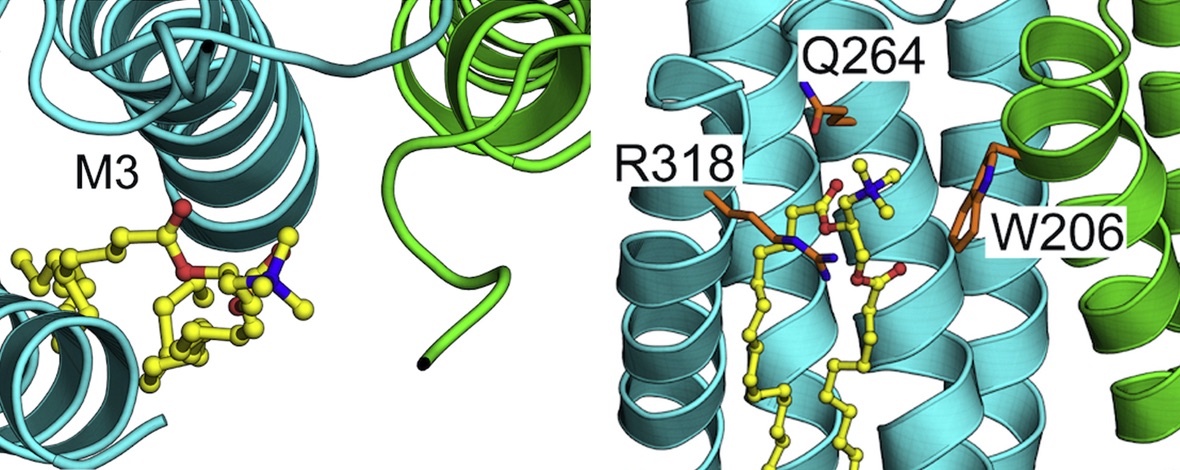
Regulation of a pentameric ligand-gated ion channel by a semi-conserved cationic-lipid binding site

Akshay Sridhar*, Sarah CR Lummis*, Diletta Pasini, Aujan Mehregan, Marijke Brams, Kumiko Kambara, Daniel Bertrand, Erik Lindahl, Rebecca J Howard, Chris Ulens

Pentameric ligand-gated ion channels (pLGICs) are crucial mediators of electrochemical signal transduction in various organisms from bacteria to humans. Lipids play an important role in regulating pLGIC function, yet the structural bases for specific pLGIC-lipid interactions remain poorly understood. The bacterial channel ELIC recapitulates several properties of eukaryotic pLGICs, including activation by the neurotransmitter GABA, and binding and modulation by lipids, offering a simplified model system for structure-function relationship studies. In this study, functional effects of non-canonical amino acid substitution of a potential lipid-interacting residue (W206) at the top of the M1-helix, combined with detergent interactions observed in recent X-ray structures, are consistent with this region being the location of a lipid binding site on the outward face of the ELIC transmembrane domain. Coarse-grained and atomistic molecular dynamics simulations revealed preferential binding of lipids containing a positive charge, particularly involving interactions with residue W206, consistent with cation-π binding. Polar contacts from other regions of the protein, particularly M3 residue Q264, further support lipid binding via headgroup ester linkages. Aromatic residues were identified at analogous sites in a handful of eukaryotic family members, including the human GABAA receptor ε subunit, suggesting conservation of relevant interactions in other evolutionary branches. Further mutagenesis experiments indicated that mutations at this site in ε-containing GABAA receptors can change the apparent affinity of the agonist response to GABA, suggesting a potential role of this site in channel gating. In conclusion, this work details type-specific lipid interactions, which adds to our growing understanding of how lipids modulate pLGICs.

Read the full publication here.

*equal contributions
Publications

Trends in Ion-Channel MD

Available online 30 April 2021 in Trends in Biochemical Sciences (doi 10.1016/j.tibs.2021.04.005):

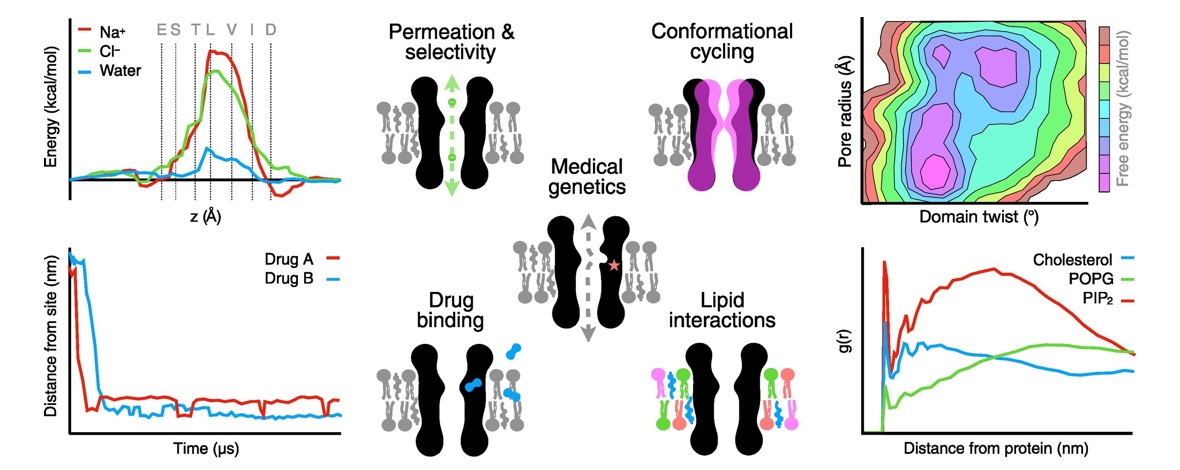
Molecular dynamics simulations of ion channels

Vincenzo Carnevale*, Lucie Delemotte*, Rebecca J Howard*

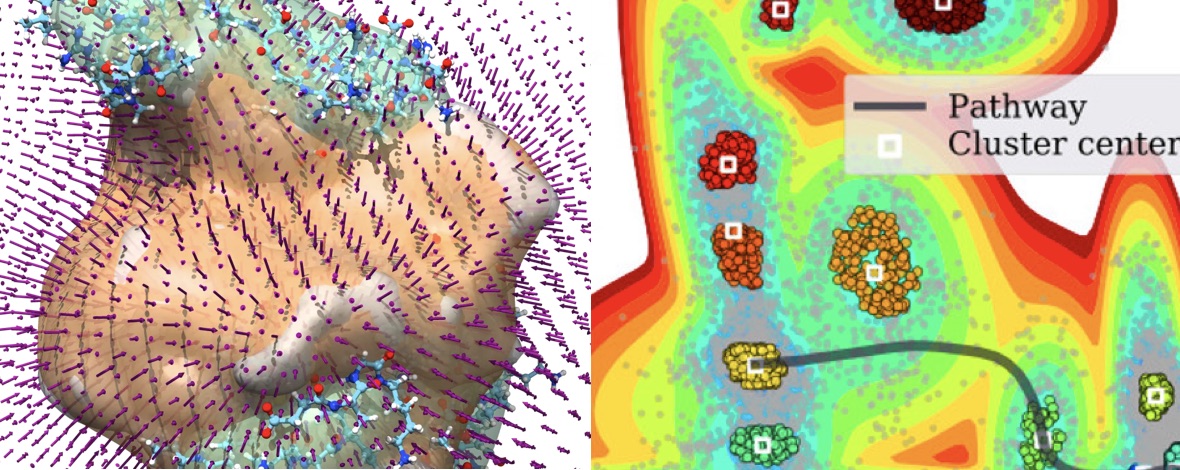
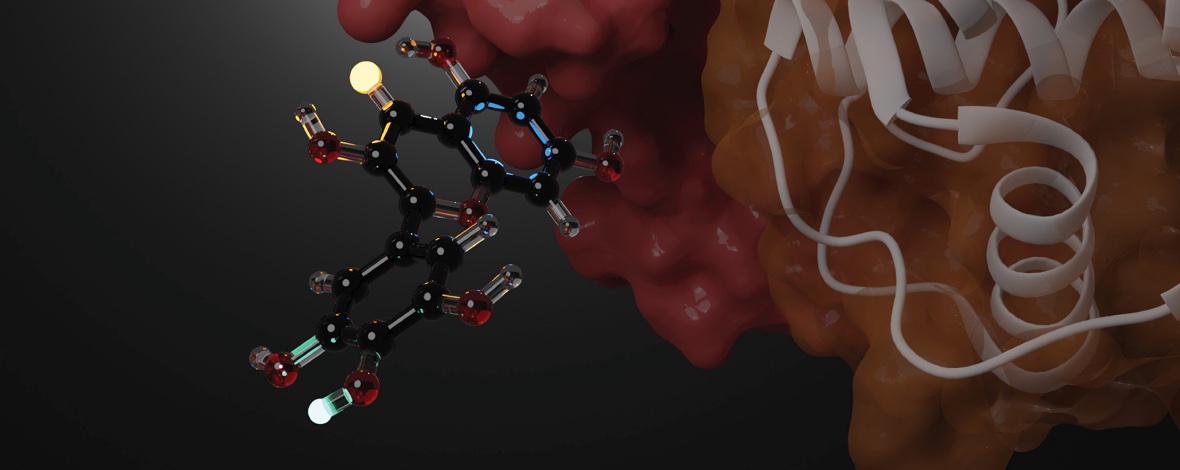
Propelled by enormous increases in computational power, molecular dynamics (MD) simulations were first reported in 1957 by B.J. Alder and T.E. Wainwright and since then have moved from this proof of concept to routinely investigating the dynamics of complex systems composed of up to tens of millions of atoms. MD simulations are based on the idea that the equations of motion of a multi-particle system can be solved numerically within an acceptable level of accuracy; the resulting trajectory is key for calculating occupancy probabilities of distinct conformational states (sampling). In advanced protocols, enhanced sampling ensures wide exploration of the configurational space. Further, a strength of MD simulations is that by starting from descriptions of the motions of all atoms, several data learning techniques can be used to conceptualize trajectories. In ion channel biophysics, these tools are used to study ion permeation, conformational cycling, drug binding, and lipid–channel interactions.

Read the full publication here.

*equal contributions
Publications

Drugging COVID-19 with Dynamics

Published 16 March 2021 in ACS Pharmacology & Translational Sciences (doi 10.1021/acsptsci.0c00215):

A blueprint for high affinity SARS-CoV-2 Mpro inhibitors from activity-based compound library screening guided by analysis of protein dynamics

Jonas Gossen, Simone Albani, Anton Hanke, Benjamin P Joseph, Cathrine Bergh, Maria Kuzikov, Elisa Costanzi, Candida Manelfi, Paola Storici, Philip Gribbon, Andrea R Beccari, Carmine Talarico, Francesca Spyrakis, Erik Lindahl, Andrea Zaliani, Paolo Carloni, Rebecca C Wade, Francesco Musiani, Daria B Kokh, and Giulia Rossetti

The SARS-CoV-2 coronavirus outbreak continues to spread at a rapid rate worldwide. The main protease (Mpro) is an attractive target for anti-COVID-19 agents. Unexpected difficulties have been encountered in the design of specific inhibitors. Here, by analyzing an ensemble of ∼30 000 SARS-CoV-2 Mpro conformations from crystallographic studies and molecular simulations, we show that small structural variations in the binding site dramatically impact ligand binding properties. Hence, traditional druggability indices fail to adequately discriminate between highly and poorly druggable conformations of the binding site. By performing ∼200 virtual screenings of compound libraries on selected protein structures, we redefine the protein’s druggability as the consensus chemical space arising from the multiple conformations of the binding site formed upon ligand binding. This procedure revealed a unique SARS-CoV-2 Mpro blueprint that led to a definition of a specific structure-based pharmacophore. The latter explains the poor transferability of potent SARS-CoV Mpro inhibitors to SARS-CoV-2 Mpro, despite the identical sequences of the active sites. Importantly, application of the pharmacophore predicted novel high affinity inhibitors of SARS-CoV-2 Mpro, that were validated by in vitro assays performed here and by a newly solved X-ray crystal structure. These results provide a strong basis for effective rational drug design campaigns against SARS-CoV-2 Mpro and a new computational approach to screen protein targets with malleable binding sites.

Read the full publication here.

Publications

Homegrown Tests for COVID-19

Published 19 January 2021 in Scientific Reports (doi 10.1038/s41598-020-80352-8):

Direct detection of SARS-CoV-2 using non-commercial RT-LAMP reagents on heat-inactivated samples

Alisa Alekseenko, Donal Barrett, Yerma Pareja-Sanchez, Rebecca J Howard, Emilia Strandback, Henry Ampah-Korsah, Urška Rovšnik, Silvia Zuniga-Veliz, Alexander Klenov, Jayshna Malloo, Shenglong Ye, Xiyang Liu, Björn Reinius, Simon J. Elsässer, Tomas Nyman, Gustaf Sandh, Xiushan Yin, Vicent Pelechano

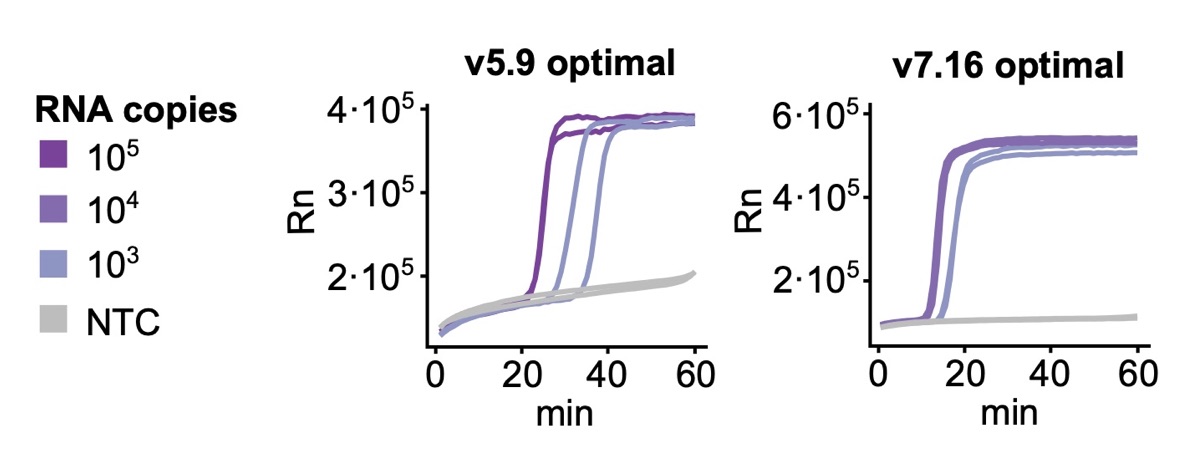
RT-LAMP detection of SARS-CoV-2 has been shown to be a valuable approach to scale up COVID-19 diagnostics and thus contribute to limiting the spread of the disease. Here we present the optimization of highly cost-effective in-house produced enzymes, and we benchmark their performance against commercial alternatives. We explore the compatibility between multiple DNA polymerases with high strand-displacement activity and thermostable reverse transcriptases required for RT-LAMP. We optimize reaction conditions and demonstrate their applicability using both synthetic RNA and clinical patient samples. Finally, we validate the optimized RT-LAMP assay for the detection of SARS-CoV-2 in unextracted heat-inactivated nasopharyngeal samples from 184 patients. We anticipate that optimized and affordable reagents for RT-LAMP will facilitate the expansion of SARS-CoV-2 testing globally, especially in sites and settings where the need for large scale testing cannot be met by commercial alternatives.

Read the full publication here.

Publications

Speedier Simulations with Parallelization

Published 5 October 2020 in The Journal of Chemical Physics (doi 10.1063/5.0018516):

Heterogeneous parallelization and acceleration of molecular dynamics simulations in GROMACS

Szilárd Páll, Artem Zhmurov, Paul Bauer, Mark Abraham, Magnus Lundborg, Alan Gray, Berk Hess, Erik Lindahl

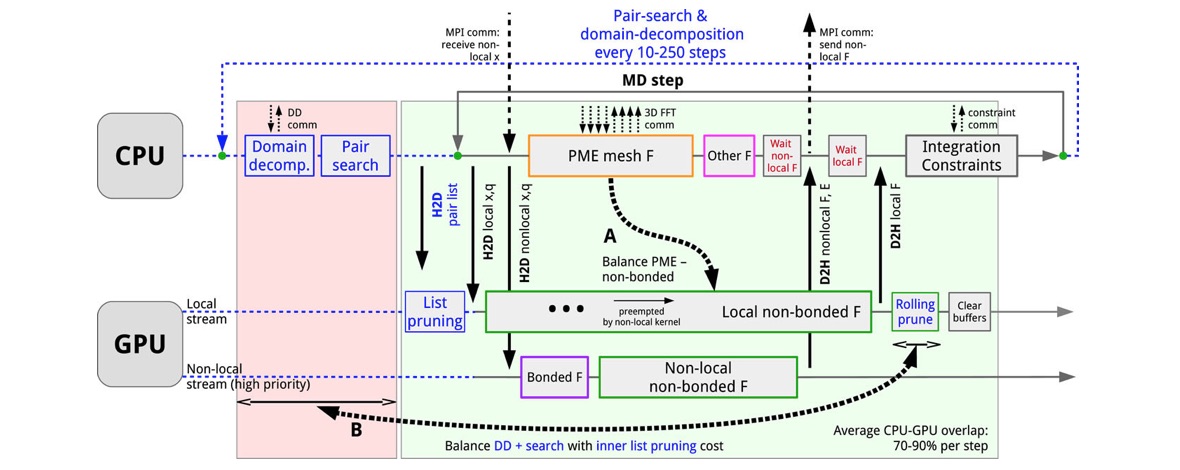
The introduction of accelerator devices such as graphics processing units (GPUs) has had profound impact on molecular dynamics simulations and has enabled order-of-magnitude performance advances using commodity hardware. To fully reap these benefits, it has been necessary to reformulate some of the most fundamental algorithms, including the Verlet list, pair searching, and cutoffs. Here, we present the heterogeneous parallelization and acceleration design of molecular dynamics implemented in the GROMACS codebase over the last decade. The setup involves a general cluster-based approach to pair lists and non-bonded pair interactions that utilizes both GPU and central processing unit (CPU) single instruction, multiple data acceleration efficiently, including the ability to load-balance tasks between CPUs and GPUs. The algorithm work efficiency is tuned for each type of hardware, and to use accelerators more efficiently, we introduce dual pair lists with rolling pruning updates. Combined with new direct GPU–GPU communication and GPU integration, this enables excellent performance from single GPU simulations through strong scaling across multiple GPUs and efficient multi-node parallelization.

Read the full publication here.

Publications

Fungal Metabolism at its Core

Published 16 September 2020 in Nature Communications (doi 10.1038/s41467-020-18401-z):

Arrangement and symmetry of the fungal E3BP-containing core of the pyruvate dehydrogenase complex

Björn O Forsberg, Shintaro Aibara, Rebecca J Howard, Narges Mortezaei, Erik Lindahl

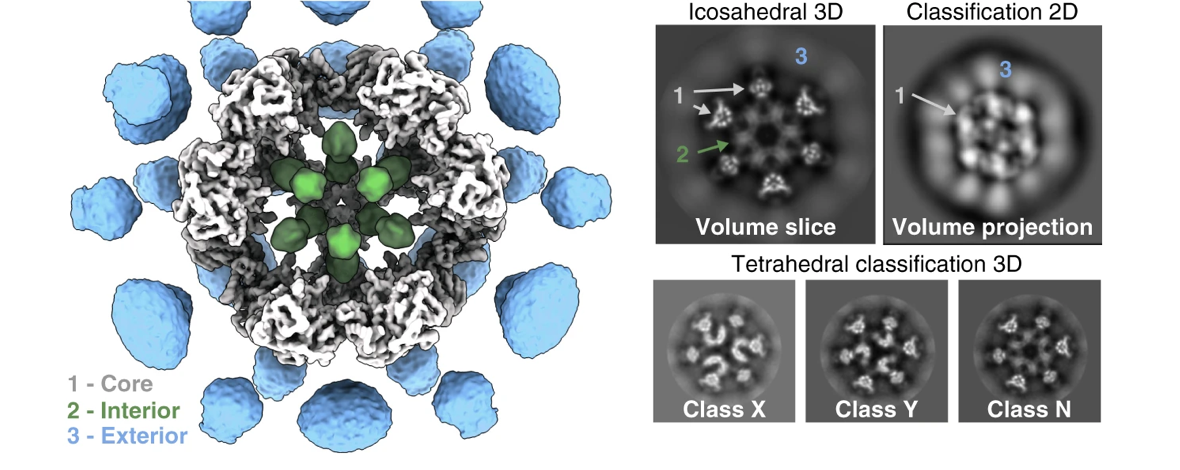
The pyruvate dehydrogenase complex (PDC) is a multienzyme complex central to aerobic respiration, connecting glycolysis to mitochondrial oxidation of pyruvate. Similar to the E3-binding protein (E3BP) of mammalian PDC, PX selectively recruits E3 to the fungal PDC, but its divergent sequence suggests a distinct structural mechanism. Here, we report reconstructions of PDC from the filamentous fungus Neurospora crassa by cryo-electron microscopy, where we find protein X (PX) interior to the PDC core as opposed to substituting E2 core subunits as in mammals. Steric occlusion limits PX binding, resulting in predominantly tetrahedral symmetry, explaining previous observations in Saccharomyces cerevisiae. The PX-binding site is conserved in (and specific to) fungi, and complements possible C-terminal binding motifs in PX that are absent in mammalian E3BP. Consideration of multiple symmetries thus reveals a differential structural basis for E3BP-like function in fungal PDC.

Read the full publication here.

Publications

Unveiling Valium

Published 2 September 2020 in Nature (doi 10.1038/s41586-020-2654-5):

Shared structural mechanisms of general anaesthetics and benzodiazepines

Jeong Joo Kim, Anant Gharpure, Jinfeng Teng, Yuxuan Zhuang, Rebecca J Howard, Shaotong Zhu, Colleen M Noviello, Richard M Walsh Jr, Erik Lindahl, Ryan E Hibbs

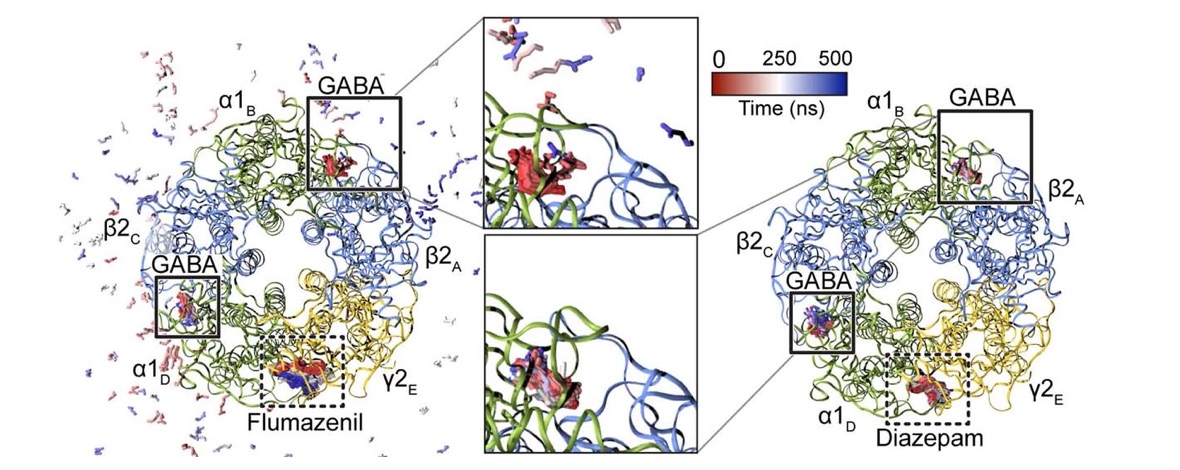
Most general anaesthetics and classical benzodiazepine drugs act through positive modulation of γ-aminobutyric acid type A (GABAA) receptors to dampen neuronal activity in the brain. However, direct structural information on the mechanisms of general anaesthetics at their physiological receptor sites is lacking. Here we present cryo-electron microscopy structures of GABAA receptors bound to intravenous anaesthetics, benzodiazepines and inhibitory modulators. These structures were solved in a lipidic environment and are complemented by electrophysiology and molecular dynamics simulations. Structures of GABAA receptors in complex with the anaesthetics phenobarbital, etomidate and propofol reveal both distinct and common transmembrane binding sites, which are shared in part by the benzodiazepine drug diazepam. Structures in which GABAA receptors are bound by benzodiazepine-site ligands identify an additional membrane binding site for diazepam and suggest an allosteric mechanism for anaesthetic reversal by flumazenil. This study provides a foundation for understanding how pharmacologically diverse and clinically essential drugs act through overlapping and distinct mechanisms to potentiate inhibitory signalling in the brain.

Read the full publication here.

News

Zhuang: Serializing MDAnalysis for GSoC

As we return to the (semi-) normal academic year, Molecular Biophysics Stockholm also celebrated PhD student Yuxuan Zhuang‘s successful completion of a competitive summer internship contributing to MDAnalysis, a freely available, open-source object-oriented Python library to analyze trajectories from molecular dynamics simulations.

Zhuang’s internship was awarded through the Google Summer of Code, focused on bringing more student developers into open source software development. Just past its 15th year, the global program has produced over 38 million lines of code for 715 open source organizations.

Read Zhuang’s final remarks on his summer project, Serialization of the MDAnalysis-Universe for Parallelism, here.

Publications

Dramatic Domains of DeCLIC

Published 16 June 2020 in Proceedings of the National Academy of Sciences of the USA (v. 117 pp. 13437–13446):

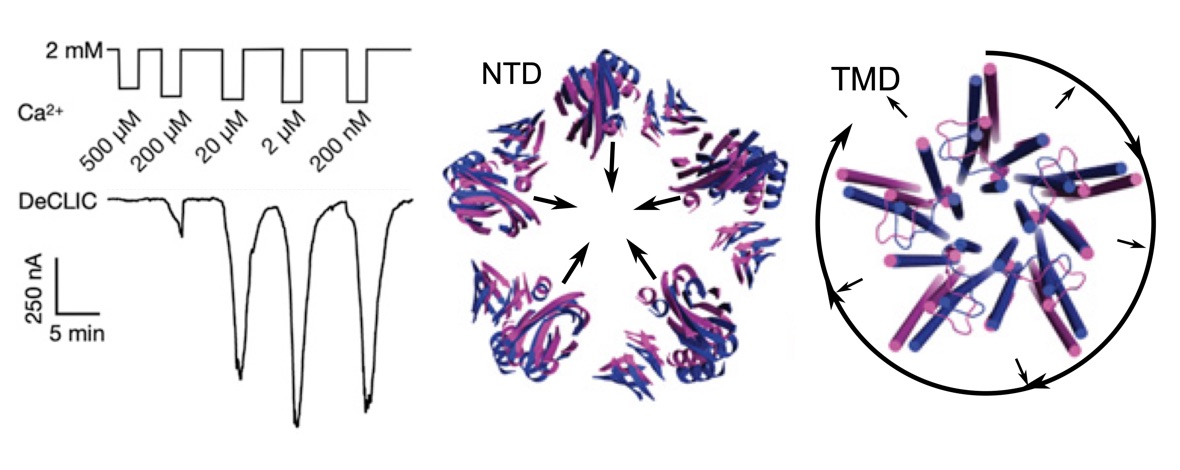
Structural basis for allosteric transitions of a multidomain pentameric ligand-gated ion channel

Haidai Hu, Rebecca J Howard, Ugo Bastolla, Erik Lindahl, Marc Delarue

Pentameric ligand-gated ion channels (pLGICs) are allosteric receptors that mediate rapid electrochemical signal transduction in the animal nervous system through the opening of an ion pore upon binding of neurotransmitters. Orthologs have been found and characterized in prokaryotes and they display highly similar structure–function relationships to eukaryotic pLGICs; however, they often encode greater architectural diversity involving additional amino-terminal domains (NTDs). Here we report structural, functional, and normal-mode analysis of two conformational states of a multidomain pLGIC, called DeCLIC, from a Desulfofustis deltaproteobacterium, including a periplasmic NTD fused to the conventional ligand-binding domain (LBD). X-ray structure determination revealed an NTD consisting of two jelly-roll domains interacting across each subunit interface. Binding of Ca2+ at the LBD subunit interface was associated with a closed transmembrane pore, with resolved monovalent cations intracellular to the hydrophobic gate. Accordingly, DeCLIC-injected oocytes conducted currents only upon depletion of extracellular Ca2+; these were insensitive to quaternary ammonium block. Furthermore, DeCLIC crystallized in the absence of Ca2+ with a wide-open pore and remodeled periplasmic domains, including increased contacts between the NTD and classic LBD agonist-binding sites. Functional, structural, and dynamical properties of DeCLIC paralleled those of sTeLIC, a pLGIC from another symbiotic prokaryote. Based on these DeCLIC structures, we would reclassify the previous structure of bacterial ELIC (the first high-resolution structure of a pLGIC) as a “locally closed” conformation. Taken together, structures of DeCLIC in multiple conformations illustrate dramatic conformational state transitions and diverse regulatory mechanisms available to ion channels in pLGICs, particularly involving Ca2+ modulation and periplasmic NTDs.

Read the full publication here.

News

Guidance at a Distance: Spring Webinars

While many seminars in our science communities have been suspended this spring, EU-funded Centre of Excellence BioExcel has stepped up its promotion of educational webinars for computational biomolecular research.

In support of this effort, Molecular Biophysics Stockholm (MBS) members delivered two presentations in the spring series.

Conceived in 2016, BioExcel webinars cover broad topics related to the latest development of major software packages; their application to modeling and simulation; best practices for performance tuning and efficient usage on HPC and novel architectures; introductory tutorials for novel users; and much more. Prior to this spring, MBS members also contributed regularly to the series on optimizing molecular dynamics simulations in GROMACS.

Webinar slides and video recordings are freely available from BioExcel; for updates and registration on upcoming events, subscribe to the community newsletter.